


























































































































































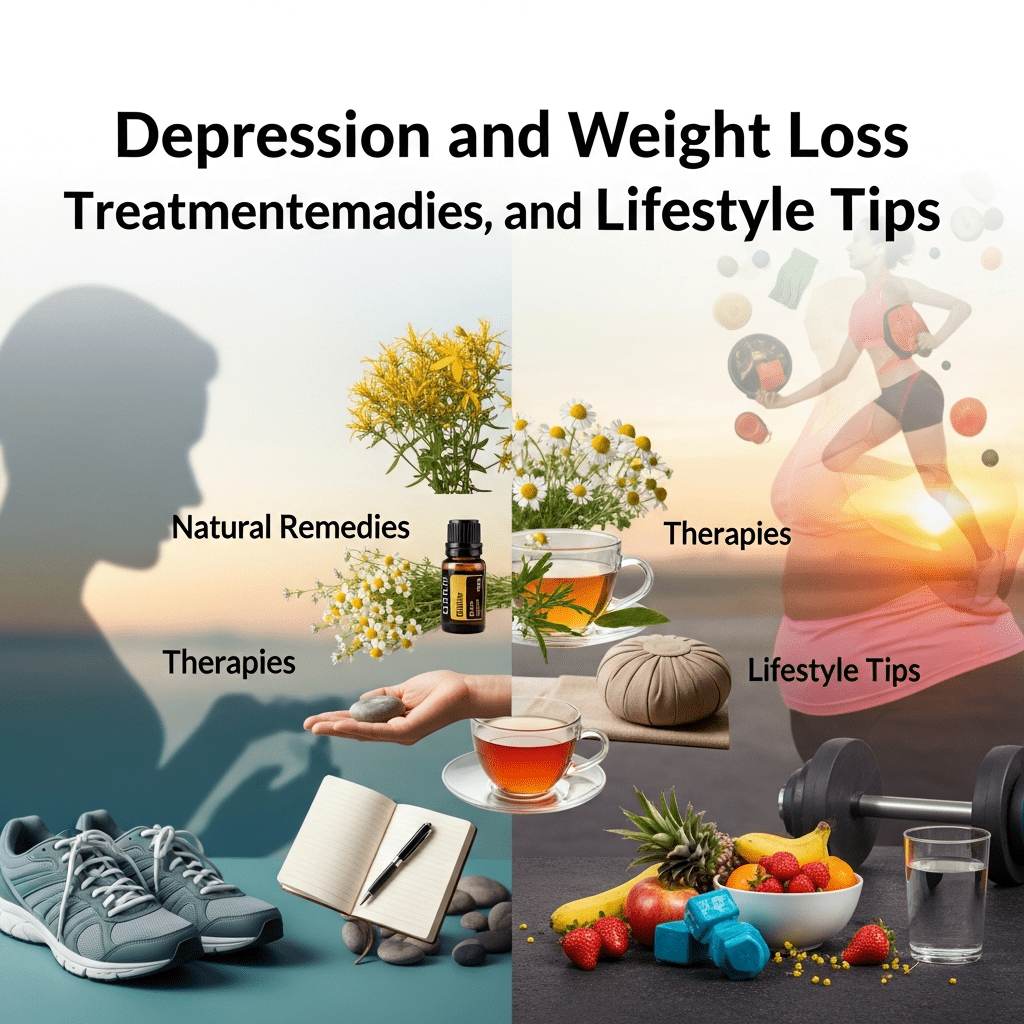
Depression and Weight Loss Treatment: Evidence-Based Care and Healthy Habits
Author: RVLNSV PRASAD
Updated On: October 2026
About Us
Author Bio
Editorial Policy
Contact Us
Introduction
Depression and weight loss treatment can involve more than changing your diet or starting an exercise routine. Depression may affect appetite, sleep, energy, motivation, and the ability to manage everyday tasks. These changes can influence body weight in different ways.
Some people lose their appetite and experience unintentional weight loss. Others eat more when distressed, move less, or notice gradual weight gain. Some experience little change in weight at all.
These differences matter because there is no single plan that works for everyone.
If you are dealing with low mood and changes in body weight, you may already feel frustrated by advice to eat less, exercise more, or simply think positively. Such advice can overlook the effects of depression on daily life.
The World Health Organization’s depression fact sheet explains that depression can affect sleep, appetite, energy, concentration, and everyday functioning. Effective psychological treatments and medications are available, depending on a person’s needs and the severity of symptoms.
A helpful approach combines appropriate mental health care with realistic habits that support physical health. This may include regular meals, manageable movement, a consistent sleep routine, emotional support, and a weight-management plan when one is medically appropriate.
This guide explains the connection between depression and body weight, evidence-based treatment options, practical strategies for difficult days, and mistakes that can make recovery harder. The goal is not to promise a quick transformation. It is to help you identify useful next steps without placing unnecessary pressure on yourself.
Quick Answer: What Helps With Depression and Weight Changes?
The most appropriate depression and weight loss treatment depends on the cause of the symptoms, the direction of weight change, medical history, and individual treatment needs.
Psychotherapy, medication when appropriate, regular meals, physical activity, adequate sleep, and social support may all have a role. However, lifestyle changes alone may not be sufficient for moderate or severe depression.
If you are losing weight without trying, struggling to eat, gaining weight rapidly, or experiencing persistent depressive symptoms, seek professional assessment. Do not assume that every weight change is caused by depression.
The National Institute of Mental Health (NIMH) identifies changes in appetite and unplanned weight changes among possible depression symptoms. It also explains that treatment may involve psychotherapy, medication, or both.
Key Takeaways
- Depression can be associated with weight gain, weight loss, appetite changes, or no significant weight change.
- Mental health treatment should not be replaced by dieting, exercise, or home remedies.
- Psychotherapy and medication may be appropriate, depending on individual needs and symptom severity.
- Physical activity can help reduce depressive symptoms, but it should be adapted to your energy, health, and abilities.
- Regular, balanced meals can support nutrition when depression disrupts eating habits.
- Some antidepressants can affect weight, but effects differ between medicines and individuals.
- Extreme dieting, excessive exercise, and self-blame can make an already difficult period more challenging.
- Persistent symptoms, unexplained weight changes, and thoughts of self-harm require appropriate professional support.
Why Are Depression and Body Weight Connected?
Depression is more than occasional sadness. It can affect thoughts, feelings, behavior, physical health, and daily functioning.
Weight changes can arise through several pathways. Understanding them helps you avoid assuming that the problem is simply a lack of discipline.
Depression can reduce appetite.
Some people experience little interest in food when depressed. Cooking may feel exhausting, hunger cues may change, and eating can become an afterthought.
When this continues, a person may consume less energy and lose weight unintentionally. Poor nutritional intake can also contribute to weakness, fatigue, and difficulty carrying out daily activities.
If you are struggling to eat regularly, begin by seeking help with the depression itself and identifying manageable ways to maintain nutrition. Persistent appetite loss or unintentional weight loss also deserves medical evaluation.
Depression can increase appetite or emotional eating.
Other people turn to food when they feel distressed, lonely, bored, or overwhelmed. Food may offer temporary comfort, especially when other enjoyable activities feel less rewarding.
Sleep disruption, reduced activity, irregular meals, and certain medicines can also influence eating patterns. These factors may contribute to weight gain, although they do not affect everyone in the same way.
Emotional eating is not a personal failure. Understanding what triggers it can help you find alternatives without treating food as something to fear.
Low energy can make movement harder
Depression can reduce motivation and make routine tasks feel unusually demanding. Activities that once seemed easy, such as walking, preparing meals, or meeting friends, may require considerable effort.
When daily movement decreases, energy expenditure may also change. However, weight is influenced by several factors, including food intake, medication, sleep, health conditions, and individual biology.
The NIMH depression guide describes fatigue, low energy, loss of interest, and appetite changes among common symptoms.
Sleep changes can affect both mood and eating habits.
Some people with depression struggle to fall asleep or wake repeatedly during the night. Others sleep much longer than usual and still feel tired.
Sleep disruption can make it harder to plan meals, manage stress, and maintain regular activity. It may also affect appetite regulation and food choices.
Addressing sleep is useful, but persistent sleep problems should not automatically be blamed on depression. A clinician can help identify other possible causes.
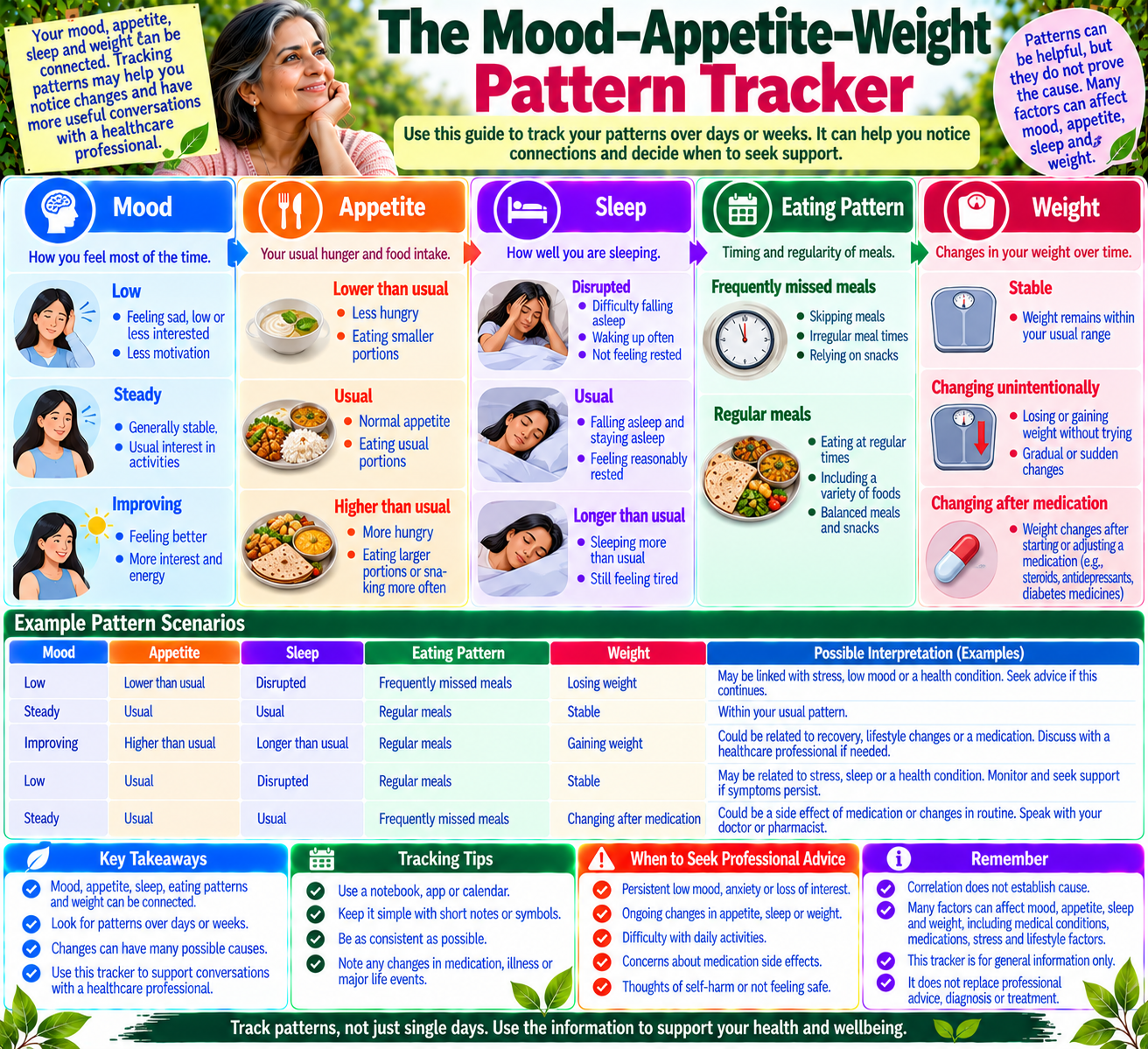
Depression and Weight Changes: A Practical Comparison
| Pattern | Possible contributors | Helpful next step |
|---|---|---|
| Unintentional weight loss | Reduced appetite, missed meals, illness, medication effects, or other medical causes | Arrange a medical assessment, especially if weight loss continues. |
| Gradual weight gain | Changes in eating, activity, sleep, health conditions, or medicines | Review the pattern without blame and discuss concerns with a clinician. |
| Emotional eating | Distress, loneliness, disrupted routines, or difficulty managing emotions | Identify triggers and consider therapy or structured support |
| Low appetite and fatigue | Depression, medication effects, nutritional problems, or physical illness | Seek assessment and develop a manageable eating plan |
| Weight changes after starting medication | Individual response to a particular medicine, dose, or treatment course | Discuss options with the prescriber; do not stop medication independently. |
| No weight change despite low mood | Depression can affect people differently. | Focus on symptoms and functioning rather than assuming weight must change. |
This table is a starting point, not a diagnostic tool. Several causes can occur together.
Evidence-Based Depression Treatment Options
Lifestyle changes can support recovery, but depression is a health condition that may require professional treatment. Choosing the right approach depends on symptom severity, medical history, preferences, previous treatment, and access to care.
1. Psychotherapy and counseling
Psychotherapy helps people understand patterns of thinking, feeling, and behaving that contribute to distress. It can also help them develop practical coping skills and improve daily functioning.
Cognitive behavioral therapy (CBT) is one established option. It helps people identify unhelpful thinking patterns and develop more constructive ways to respond to difficult situations. Interpersonal therapy focuses on relationships and life events that influence mood.
The NIMH psychotherapy guide explains that psychotherapy may be used alone or alongside medication, depending on individual circumstances.
For someone dealing with depression and weight changes, therapy may also help explore emotional eating, body-image concerns, shame, or difficulties maintaining daily routines. It does not need to focus on weight loss to be useful.
2. Medication when appropriate
Antidepressants can be an important part of treatment for some people. A qualified prescriber can discuss expected benefits, possible side effects, alternatives, and the time needed to assess whether a medicine is helping.
Some antidepressants are associated with changes in appetite or weight. The effects vary by medication, dose, duration, and individual response.
The NICE depression guideline recommends discussing potential benefits and harms of treatment, including side effects that matter to the individual.
If weight changes concern you, explain this to your prescriber. A clinician may review your symptoms, current medicine, other health conditions, and possible alternatives.
Do not stop an antidepressant, reduce the dose, or change medication on your own. Some medicines can cause withdrawal symptoms when stopped abruptly, and untreated depression can return or worsen.
3. Guided self-help and structured support
For some people with less severe depression, guided self-help may be an appropriate treatment option. It can involve structured materials, planned activities, and support from a trained professional.
The NICE recommendations for depression describe treatment choices that take account of symptom severity, individual preferences, and clinical needs.
A structured approach can be useful when motivation is low because it reduces the need to decide what to do from scratch each day. However, self-help should not delay professional assessment when symptoms are persistent, severe, or getting worse.
4. Review physical health and medication effects.
Not every change in mood or weight is caused by depression. Thyroid conditions, digestive disorders, chronic illness, nutritional problems, and medication effects can also influence energy, appetite, and body weight.
A healthcare professional can review the timeline of symptoms and decide whether an examination or tests are appropriate.
This is especially important when weight loss is unexplained, appetite has changed substantially, or fatigue continues despite improved sleep.
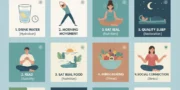
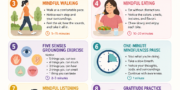
10 Practical Habits That Can Support Mood and Weight Management
The following strategies can complement appropriate treatment. They are not substitutes for psychotherapy, medication when indicated, or medical assessment.
1. Use behavioral activation to make daily life manageable.
Behavioural activation involves planning meaningful or useful activities rather than waiting until motivation returns. Depression can make enjoyable activities feel less rewarding, so waiting to feel ready may leave you stuck.
Start with one small task that fits your current energy level. You might open the curtains, prepare breakfast, water a plant, or walk to the end of your street.
The aim is not to complete a long checklist. It is to make daily life a little more manageable and gradually rebuild routine.
A task can be worthwhile even if it does not immediately improve your mood.
2. Begin with a movement you can repeat.
Physical activity has evidence supporting its role in reducing depressive symptoms. It can also contribute to general health and weight management.
A 2024 systematic review and network meta-analysis in the BMJ included 218 studies and 14,170 participants. It found reductions in depression symptoms associated with several exercise approaches, including walking or jogging, yoga, strength training, and mixed aerobic exercise. The findings do not mean that exercise works equally well for every person or replaces all other treatments.
A 2025 umbrella review in the British Journal of Sports Medicine also found evidence that exercise interventions can reduce depression symptoms across different populations. As with all research, results depend on the participants, intervention, and quality of the underlying studies.
A manageable starting plan:
- Try five minutes of gentle walking or another comfortable activity.
- Choose a time that fits your routine.
- Repeat it when possible rather than immediately increasing the duration.
- Increase gradually if your energy, health, and symptoms allow.
- Rest when necessary, and seek guidance if exercise causes concerning symptoms.
If you are experiencing severe fatigue, dizziness, significant weight loss, or a medical condition that affects exercise, speak with a healthcare professional before increasing activity.
3. Build balanced meals without following a strict diet.
When mood is low, elaborate meal preparation may feel overwhelming. A simple meal structure can help you maintain nutritional intake without requiring perfection.
Try combining a source of protein, a carbohydrate-rich food, and vegetables or fruit. For example, dal with rice and vegetables, eggs with whole-grain toast, or curd with oats and fruit can provide a practical starting point.
The WHO healthy-diet guidance emphasizes dietary variety and balanced nutrition. There is no single food that cures depression, and a healthy diet should not be presented as a replacement for treatment.
If you have little appetite, smaller meals or snacks may feel more manageable than three large meals. If you are eating more in response to distress, regular meals may help reduce long gaps that leave you extremely hungry.
4. Use a low-energy meal plan.
A useful strategy is to prepare for days when motivation is especially low.
Keep a few convenient foods available, such as fruit, yogurt, eggs, canned beans, frozen vegetables, whole-grain bread, or other foods that suit your needs and budget.
You can also prepare extra portions when you have more energy and store them safely for another meal. Convenience foods are not automatically unhealthy; what matters is whether the overall pattern meets your needs.
If you regularly cannot prepare or eat enough food, tell a healthcare professional. Difficulty maintaining nutrition may require more support than meal planning alone.
5. Identify emotional eating triggers without judging yourself
Before changing your eating habits, notice what tends to happen before an episode of emotional eating.
You might observe that the urge appears after a difficult conversation, during loneliness, late at night, or when you have skipped meals. A short note can help you recognize patterns without counting every calorie.
Ask yourself whether you are physically hungry, emotionally distressed, tired, or experiencing several of these feelings at once.
If food is providing temporary comfort, you do not need to punish yourself for it. Instead, consider adding another coping option, such as contacting someone you trust, listening to music, writing down your thoughts, or taking a short break.
If eating feels out of control, causes significant distress, or is linked with restrictive eating or satiate episodes, consider professional support.
6. Protect a regular sleep routine.
A consistent sleep schedule can support daily functioning and make routines easier to maintain. However, sleep habits alone do not treat every cause of insomnia or depression.
Try keeping a reasonably consistent wake-up time, creating a relaxing evening routine, and reducing activities that interfere with sleep. If you are unable to sleep despite having an opportunity to do so, avoid blaming yourself.
Persistent insomnia, excessive sleeping, loud snoring, or severe daytime sleepiness may need assessment.
The CDC’s sleep guidance provides general information about healthy sleep and its importance for health.
7. Use brief stress-management practices.
Stress-management techniques may help you cope with difficult moments, even though they are not stand-alone treatments for major depression.
Try a short breathing exercise, a few minutes of quiet sitting, gentle stretching, or writing down what is worrying you. Choose something that feels comfortable rather than turning relaxation into another task you must perform perfectly.
If meditation makes you more distressed or increases uncomfortable thoughts, stop and try another approach. A mental health professional can help you find suitable coping strategies.
8. Maintain manageable social contact
Depression can lead people to withdraw from friends and family. Unfortunately, isolation may make it harder to access practical help or emotional support.
You do not need to attend a large gathering or explain everything you are feeling. A short message, phone call, or quiet conversation with someone you trust can be enough for a first step.
If you are struggling to cook, attend appointments, or leave home, tell someone what kind of practical support would help. Specific requests are often easier for others to understand than a general statement that you are not doing well.
Social connection supports well-being, but it is not a substitute for professional treatment when depression is persistent or severe.
9. Set goals based on functioning, not only the scale
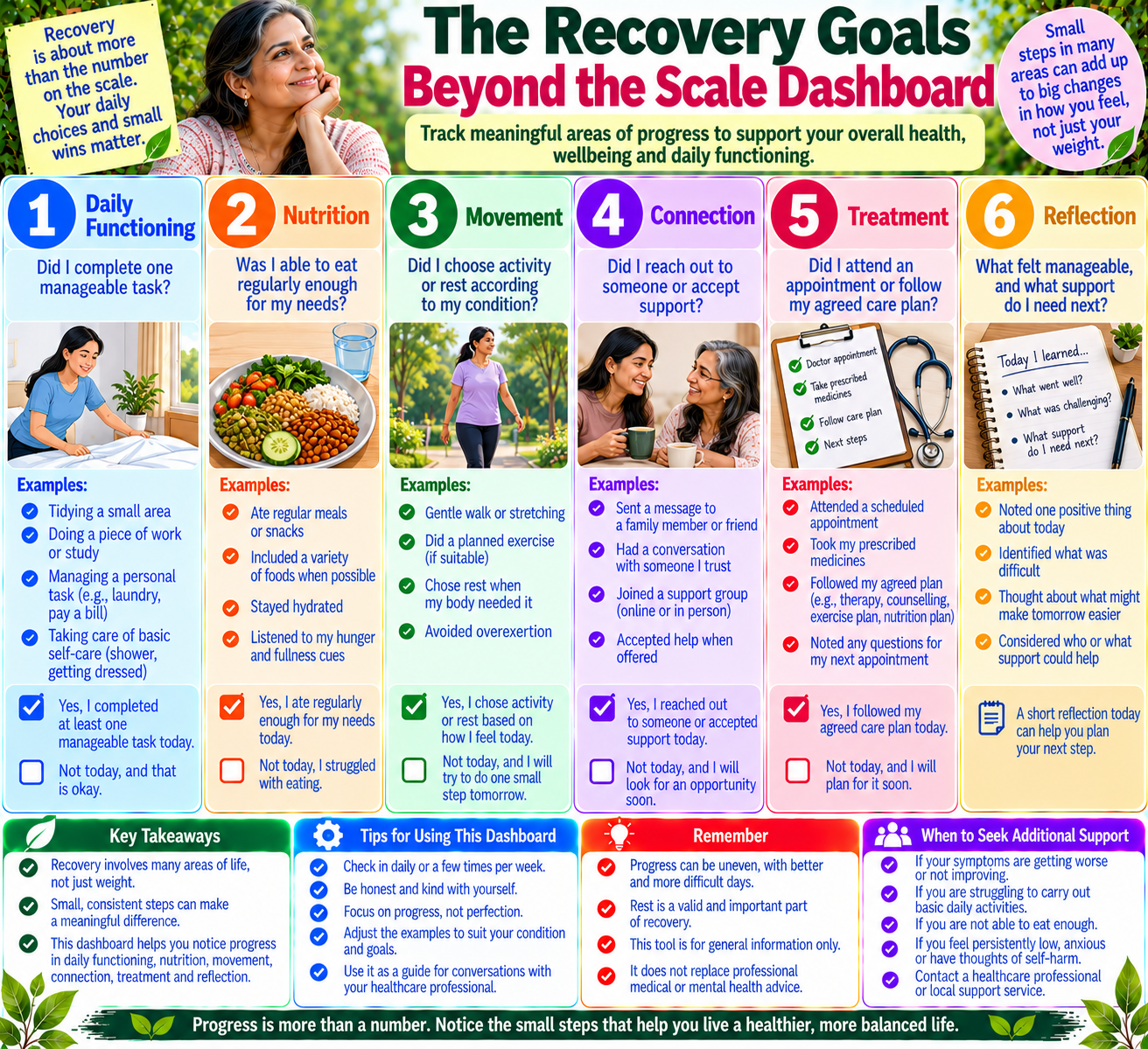
When depression and weight changes occur together, it can be tempting to judge every day by the number on the weighing scale.
A broader approach tracks several aspects of health. You might note whether you ate regularly, completed a daily task, attended therapy, moved comfortably, or connected with someone supportive.
If weight management is medically appropriate, use a gradual plan that respects your physical and mental health. Avoid crash diets, extreme exercise, and rigid food rules that make eating more stressful.
If you are losing weight without trying, your priority should be understanding the cause and protecting your nutrition rather than pursuing further weight loss.
10. Ask for help before the problem becomes overwhelming.
You do not need to wait until you cannot manage daily life before seeking support.
A primary-care clinician can assess physical symptoms and discuss referral options. A mental health professional can help determine whether psychotherapy, medication, guided self-help, or another approach may be suitable.
If you are already receiving treatment, explain any changes in weight, appetite, energy, sleep, or eating behavior at your next appointment—or sooner if the change is significant.
Seeking help early can make it easier to address problems before they become more difficult to manage.
A Seven-Day Starting Plan for Difficult Weeks
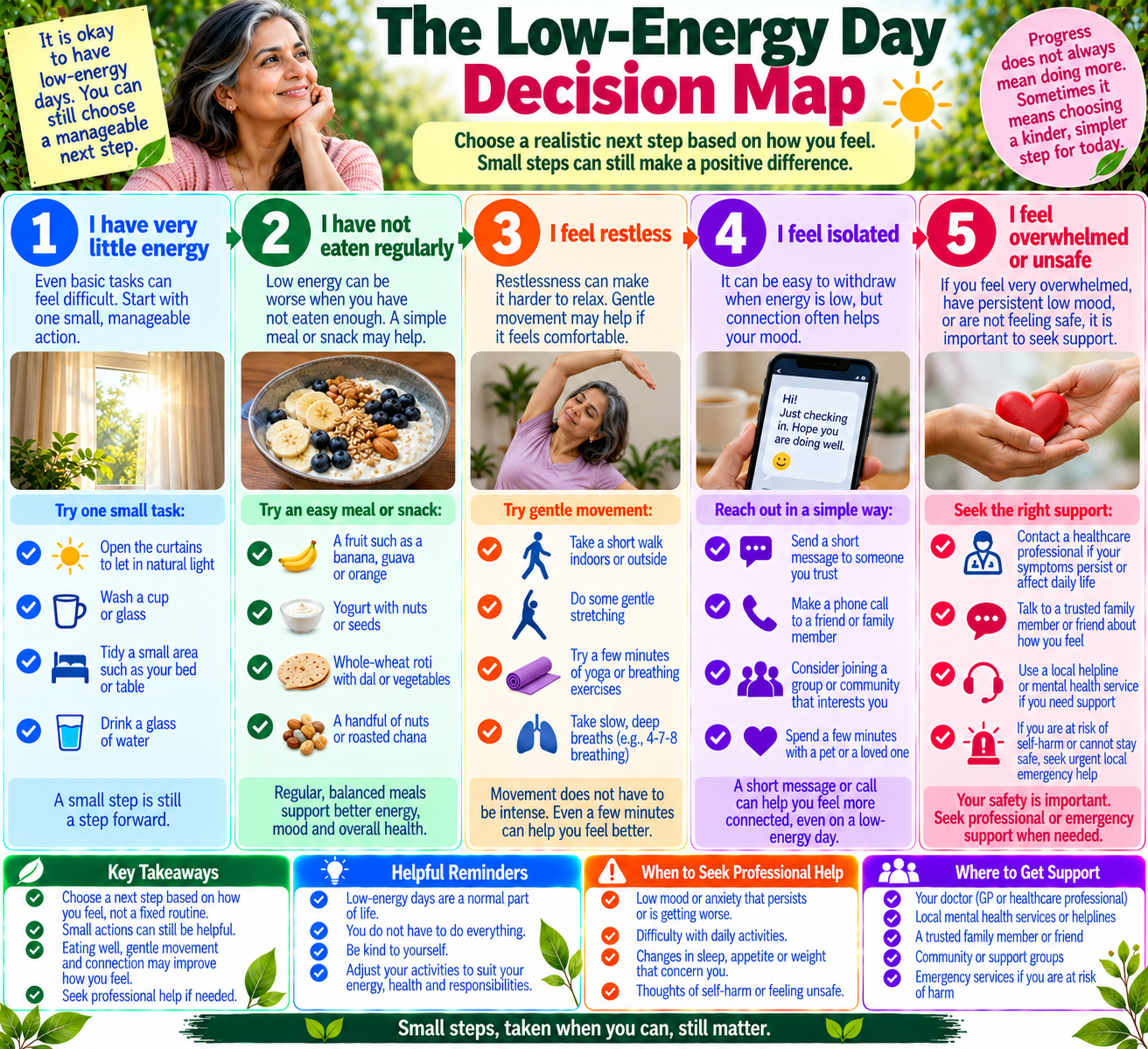
This plan is deliberately flexible. It is not a treatment protocol, and you do not have to complete every activity to benefit from building a more manageable routine.
| Day | Small action | Why it may help |
|---|---|---|
| Day 1 | Choose one realistic wake-up time. | Creates a starting point for daily structure |
| Day 2 | Prepare one simple, balanced meal. | Supports regular nutritional intake |
| Day 3 | Try five minutes of comfortable movement. | Makes activity less intimidating |
| Day 4 | Contact one trusted person. | Creates an opportunity for connection |
| Day 5 | Write down one recurring stress trigger. | Helps you notice patterns |
| Day 6 | Prepare an easy meal or snack for a low-energy day. | Reduces planning demands later |
| Day 7 | Review what felt manageable and what did not. | Helps you adjust the next week |
You can repeat the plan, change the order, or begin with only one action. If symptoms make even small tasks difficult, that is a reason to seek more support—not evidence that you have failed.
Latest Research Developments: What the Evidence Means
Research on depression continues to examine how psychological treatment, physical activity, sleep, medication, and broader health factors influence symptoms.
Exercise research is becoming more specific.
The 2024 BMJ review compared several exercise modalities and found evidence of symptom improvement with walking or jogging, yoga, strength training, and other approaches. The 2025 umbrella review examined findings across many meta-analyses and supported exercise as a potentially helpful intervention for depression.
These findings strengthen the case for offering activity as part of a treatment plan when appropriate. They do not establish a single best workout for everyone, nor do they show that exercise alone is sufficient for all cases.
Read the 2024 BMJ systematic review and the 2025 umbrella review for details about study methods and limitations.
Treatment decisions increasingly consider the individual.
Depression treatment is not a one-size-fits-all process. Clinical guidance emphasizes discussing the person’s symptoms, preferences, health history, and treatment goals.
The NICE guideline for depression in adults also highlights the importance of discussing potential medication side effects, including weight changes when relevant.
This is particularly important if you have noticed weight changes after beginning treatment. Rather than assuming the medication is definitely responsible—or stopping it without advice—discuss the timing and severity of the change with your prescriber.
Research does not support a universal weight-loss prescription for depression.
Studies of diet, exercise, and mental health examine different populations and outcomes. An improvement in depressive symptoms does not necessarily mean a person will lose weight, and weight loss does not guarantee that depression will improve.
A more useful plan treats the two concerns as related but distinct. It supports mental health directly while addressing weight changes according to their cause and the person’s needs.
Common Mistakes That Can Make Recovery Harder
Treating weight loss as the main measure of recovery
If you are experiencing depression, losing weight should not automatically be the main goal. Unintentional weight loss may signal inadequate nutrition or an underlying health problem.
Track improvements in daily functioning, mood, appetite, sleep, and participation in activities alongside any medically appropriate weight goals.
Following extreme diets
Severe calorie restriction, prolonged fasting, and rigid food rules can make it harder to maintain adequate nutrition. They may also increase stress around eating.
Choose a flexible eating pattern that meets your nutritional needs. If you have an eating disorder or a history of disordered eating, seek guidance before beginning a weight-loss program.
Expecting exercise to cure depression
Exercise can support treatment, but it does not replace professional care when that care is needed. Lack of motivation may be a symptom of depression rather than a sign of laziness.
Start at a level that is manageable and discuss activity options with a clinician if you have significant symptoms or health limitations.
Stopping medication because of weight changes
Medication-related weight concerns deserve attention, but abruptly stopping treatment can cause problems. Discuss the risks, benefits, and possible alternatives with the prescriber.
Believing that positive thinking is enough
Gratitude, journaling, and mindfulness may help some people manage difficult moments. They do not guarantee recovery, and they should not be used to blame someone who continues to experience symptoms.
Depression is a health condition, not a failure to think positively.
Ignoring unexplained weight loss
Weight loss can occur with depression, but it may also have other medical causes. Do not assume that low mood explains every physical symptom.
Arrange a medical assessment if weight loss is persistent, substantial, or accompanied by other concerning symptoms.
When Should You Seek Professional Help?
Consider contacting a healthcare professional if low mood, loss of interest, appetite changes, sleep disruption, or fatigue persist or interfere with daily life. Depression can be treated, and a clinician can help identify appropriate options.
Seek assessment promptly if you are losing weight without trying, struggling to eat or drink enough, experiencing rapid weight changes, or noticing new symptoms after starting medication.
If you have thoughts of suicide or feel unable to keep yourself safe, seek urgent help. In India, the Government of India’s Tele-MANAS service offers free, confidential mental health support around the clock at 14416. In an immediate emergency, contact local emergency services or go to the nearest emergency department.
You deserve support even if your symptoms do not seem severe enough to justify it. You do not have to manage depression and weight concerns alone.
Frequently Asked Questions
1. Can depression cause weight gain or weight loss?
Yes. Depression can affect appetite, energy, sleep, activity, and eating patterns. Some people gain weight, others lose weight, and some experience little change. Other medical causes should also be considered when weight changes are unexplained.
2. What is the best depression and weight loss treatment?
There is no single best treatment for everyone. Depression may require psychotherapy, medication, or both. Weight management should be tailored to the cause of the weight change and the person’s health. Lifestyle habits can support care but may not be sufficient on their own.
3. Can I treat depression naturally without medication?
Some people with less severe depression may benefit from structured self-help or psychotherapy without medication. Others may need medication or combined treatment. Discuss your symptoms and options with a qualified healthcare professional rather than deciding that medication is always necessary—or always unnecessary.
4. Does exercise help depression and weight management?
Exercise can help reduce depressive symptoms and support general health. The 2024 BMJ review and 2025 umbrella review found evidence of benefits across several exercise approaches. However, the right activity and amount depend on individual circumstances, and exercise is not a substitute for all depression treatments.
5. Why am I losing weight when I feel depressed?
Depression may reduce appetite, interest in food, or motivation to prepare meals. However, unintended weight loss can also result from medical conditions, medication effects, or other causes. Seek assessment if the change continues or is significant.
6. Can antidepressants cause weight gain?
Some antidepressants are associated with weight changes, but effects differ between medicines and individuals. If you are concerned, discuss the timing of the change and possible options with your prescriber. Do not stop medication on your own.
7. What should I eat when depression reduces my appetite?
Try manageable meals and snacks that provide protein, carbohydrates, and other nutrients. Examples include dal and rice, yogurt with oats, eggs with toast, or another combination suited to your diet. If you cannot eat enough or are losing weight unintentionally, seek medical and nutritional support.
8. How long does it take to see improvement?
There is no universal timeline. Progress depends on the nature and severity of symptoms, treatment, other health conditions, and individual response. Some changes may take time, and treatment plans sometimes need adjustment. Ask your clinician what to expect from your specific treatment.
9. Can weight loss alone improve depression?
Weight loss is not a universal treatment for depression. If weight management is medically appropriate, it can be addressed alongside mental health care. The priority is to treat depression directly and avoid restrictive practices that could worsen nutritional or emotional well-being.
10. Is journaling enough to treat depression?
Journaling may help some people identify emotions and recurring patterns, but it is not a complete treatment for everyone. Persistent or severe symptoms warrant professional assessment and evidence-based care.
Conclusion: Take a Supportive Approach to Mood and Weight
Depression and weight loss treatment should address the person, not just the number on the scale. Depression can influence appetite, energy, sleep, motivation, and everyday choices, while weight changes can have several possible causes.
A helpful starting point is to seek appropriate care, maintain manageable eating and sleeping routines, and choose movement that fits your current abilities. You can build these habits gradually without demanding perfection from yourself.
Psychotherapy, medication when appropriate, and supportive lifestyle changes can work together. If your appetite or weight has changed unexpectedly, a healthcare professional can help determine whether depression, treatment side effects, or another health condition may be involved.
Progress may be uneven. A difficult day does not erase the effort you have made, and you do not need to wait until you feel motivated before asking for help.
Start with one realistic action and build from there. Your mental health deserves attention regardless of your current weight, and effective support is available.
Author Note
Author: RVLNSV PRASAD
This article provides general, evidence-informed information about depression, appetite, and weight changes. It is intended to help readers understand treatment options and practical supportive habits. Any personal recovery story should be added only if it reflects the author’s genuine experience; illustrative examples should never be presented as real patient outcomes.
Medical Disclaimer
This article is for educational purposes and does not replace diagnosis, individualized medical advice, psychotherapy, or prescribed treatment. Depression can be serious, and treatment needs vary. Do not start, stop, or change psychiatric medication without consulting the prescribing professional. Seek medical assessment for persistent depressive symptoms, unexplained weight changes, or difficulty maintaining adequate nutrition. If you may harm yourself or cannot stay safe, seek urgent help.
Fitness Disclaimer
Physical activity should be adapted to your current health, energy, mobility, and fitness level. Begin gradually and avoid forcing exercise when you are unwell or experiencing concerning symptoms. Consult a healthcare professional before substantially changing your activity if you have a relevant medical condition or unexplained weight loss.
Sources
- World Health Organization — Depression
- National Institute of Mental Health — Depression
- National Institute of Mental Health — Psychotherapies
- NICE — Depression in Adults: Treatment and Management
- BMJ — Exercise for Depression: Systematic Review and Network Meta-analysis, 2024
- PubMed — Exercise for Depression: Systematic Review and Network Meta-analysis
- British Journal of Sports Medicine — Exercise Effects on Depression and Anxiety: Umbrella Review, 2025
- CDC—About Sleep
- WHO—Healthy Diet
- Government of India—National Mental Health Programme and Tele-MANAS
More Stories From this Blog
- 10 Severe Depression Warning Signs
- Best 7 Health Benefits Of Exercise
- How to Improve Your Mood with Healthy Habits: A Comprehensive Guide
- 10 Effective Treatments for Depression Without Medication
- How to Overcome Social Anxiety Disorder Tips
- Home











[…] Depression and Weight Loss Treatment: Natural Remedies, Therapies, and Lifestyle Tips […]
[…] Depression and Weight Loss Treatment: Natural Remedies, Therapies, and Lifestyle Tips […]
[…] Depression and Weight Loss Treatment: Natural Remedies, Therapies, and Lifestyle Tips […]
[…] Depression and Weight Loss Treatment: Natural Remedies, Therapies, and Lifestyle Tips […]
[…] Depression and Weight Loss Treatment: Natural Remedies, Therapies, and Lifestyle Tips […]
[…] Depression and Weight Loss Treatment: Natural Remedies, Therapies, and Lifestyle Tips […]
[…] Depression and Weight Loss Treatment: Natural Remedies, Therapies, and Lifestyle Tips […]
[…] Depression and Weight Loss Treatment: Natural Remedies, Therapies, and Lifestyle Tips […]
[…] Depression and Weight Loss Treatment: Natural Remedies, Therapies, and Lifestyle Tips […]
[…] Depression and Weight Loss Treatment: Natural Remedies, Therapies, and Lifestyle Tips […]
[…] Depression and Weight Loss Treatment: Natural Remedies, Therapies, and Lifestyle Tips […]